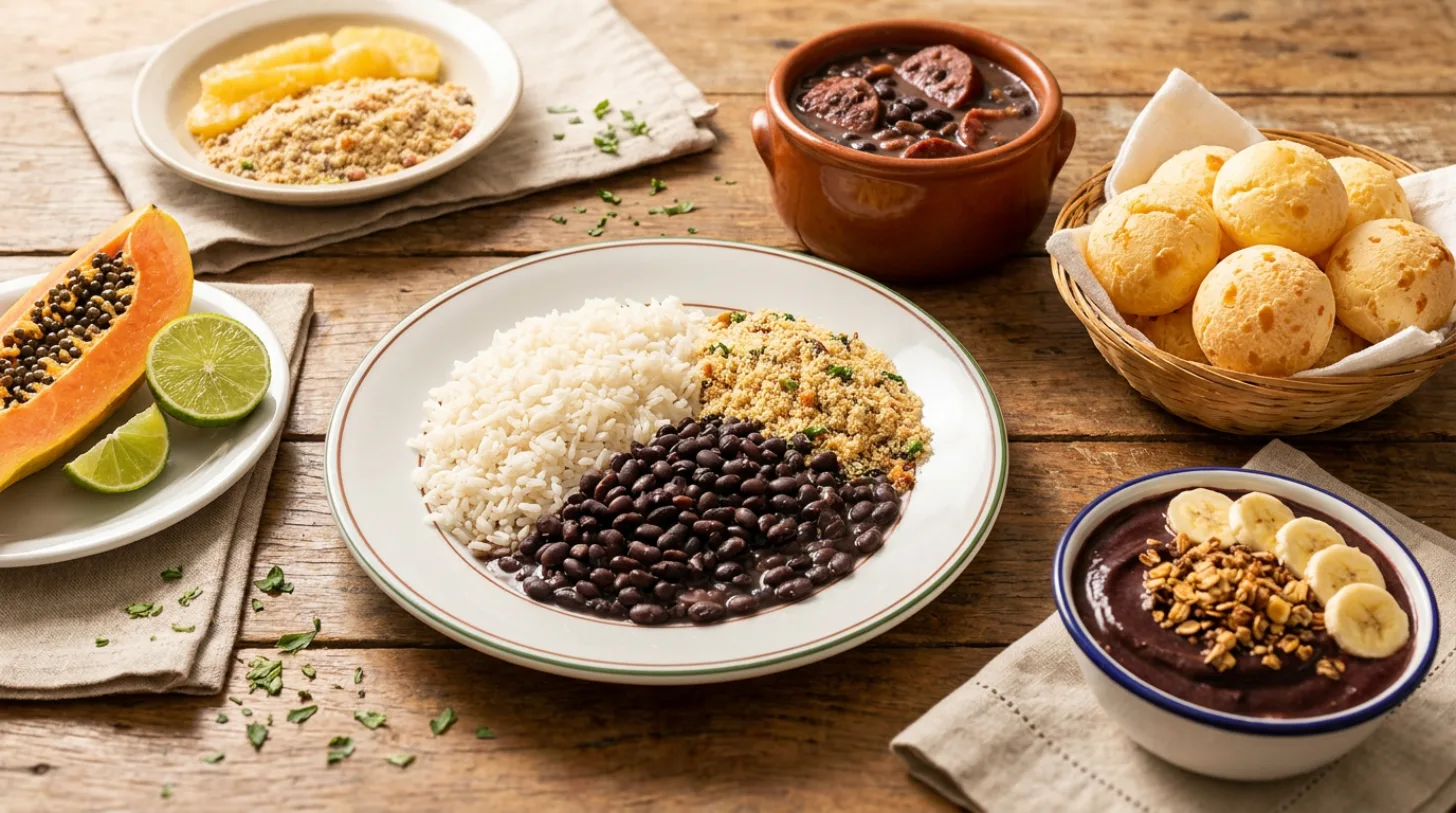
You open a Brazilian client’s meal plan to add what they actually eat. You search “feijão.” Nothing. You search “farofa.” Nothing. Or a US version shows up with numbers that do not match the real food. So you create it by hand, type in the macros, and move on. Then the next Brazilian client eats the same rice and beans, and you do it all again.
A food database is the searchable list of foods your coaching app gives you to build meal plans. Almost every platform runs on one English, mostly American source, and it barely covers the food a Brazilian client eats every day. That gap is exactly why we built regional food libraries into Assistant Coach, and the Brazilian one is 586 foods drawn from Brazil’s own national food data.
| What it is | An opt-in Brazilian food library inside your meal plan builder |
| How many foods | 586, from feijão and farofa to feijoada |
| Where the data is from | The TACO table (NEPA/UNICAMP), Brazil’s national food composition table |
| Who it is for | Coaches and personal trainers with clients in Brazil |
| What it replaces | Building the same Brazilian staples by hand for every client |
| How to use it | Switch it on once in Settings; it stays off by default |
Here’s what this guide covers:
- Why a US food database fails Brazilian clients
- What is in the Brazilian food library
- Para treinadores brasileiros
Why a US food database fails Brazilian clients
Food composition is not universal. A cut of beef carries different fat depending on how the animal is raised and butchered, and Brazilian cuts like picanha and acém have no clean US equivalent. Cassava shows up as mandioca, aipim, or macaxeira depending on the region, tapioca is a staple most US databases have never heard of, and pão de queijo is its own thing entirely. Prepared dishes, the food people actually eat, are the most local of all: a plate of arroz, feijão, and farofa has no single row in a US database.
So when a coach reaches for the closest US match, the errors stack up. A bean logged with the wrong carbohydrate, a cut of meat that is leaner or fattier than the Brazilian version, a dish approximated from something that is not quite it. Across a week, a plan that reads clean on paper drifts off target in the client’s real kitchen. And the client never sees the data problem. They just see a plan that stops working.
The fix is not to guess. It is to use Brazil’s own measured food data, which is exactly what the Brazilian library does.
What is in the Brazilian food library
The library is 586 foods drawn from the TACO table, the Brazilian food composition table maintained by NEPA at UNICAMP. The macros are measured on Brazilian foods, not guessed or crowd-entered.
What that means in practice:
- Rice and beans, done right. Feijão carioca and feijão preto, arroz in its common preparations, the base of most Brazilian plates.
- The staples around them. Farofa, mandioca, tapioca, pão de queijo, farinha, and the sides a Brazilian client actually eats.
- Cuts of meat with the right names. Picanha, acém, coxa de frango, and more, named the way a Brazilian coach and client say them.
- Tropical fruit. Açaí, mamão, goiaba, cupuaçu, and the rest, with local macros.
- Prepared dishes. Down to feijoada and feijão tropeiro, so a real Brazilian meal is one search away.
You switch the library on once in Settings and its foods join your meal-plan search. It is off by default, so it never clutters the search of a coach who does not need it, and your core food library stays available either way.
No other coaching platform we checked ships this. Trainerize, TrueCoach, Everfit, and PT Distinction all rely on an English food search or a general recipe library. As far as we can verify, Assistant Coach is the only fitness coaching platform with a curated Brazilian food library you can switch on.
Para treinadores brasileiros
Se você monta dietas para clientes no Brasil, já conhece o problema. Você abre o app, procura “feijão carioca” ou “farofa”, e não acha nada, ou acha uma versão americana com macros que não batem com a comida de verdade. Aí você cadastra tudo na mão, um alimento de cada vez, e repete isso a cada novo cliente.
A biblioteca de alimentos brasileiros resolve isso. São 586 alimentos tirados da TACO (Tabela Brasileira de Composição de Alimentos, da NEPA/UNICAMP), a referência nacional. Arroz e feijão nas versões que seu cliente realmente come, farofa, mandioca, tapioca, pão de queijo, cortes de carne com os nomes certos (picanha, acém, coxa de frango), frutas como açaí, mamão, goiaba e cupuaçu, e até pratos prontos como feijoada e feijão tropeiro. Os macros vêm de dados medidos, não chutados.
Na prática, funciona assim: seu cliente come tapioca com ovo no café, arroz, feijão e frango no almoço, e você monta o plano com esses alimentos exatos, batendo as metas de calorias e macros com a comida real dele. Sem substituições estranhas, sem “chicken breast, 100g” no lugar do peito de frango que ele de fato come.
Você ativa a biblioteca uma vez, nas configurações, e os alimentos brasileiros passam a aparecer na busca sempre que você monta um plano. Não precisa ativar por cliente, e sua biblioteca principal continua disponível do mesmo jeito. Se você atende só clientes brasileiros, é a diferença entre montar cada dieta do zero e ter a comida deles ali, pronta, com os números certos.
O ponto não é ter mais um recurso. É que um plano feito com a comida que o cliente reconhece e já compra é um plano que ele consegue seguir. E adesão, no fim das contas, é o que decide o resultado.
Frequently Asked Questions
Why doesn’t my coaching app have Brazilian foods like feijão or farofa?
Most coaching platforms build their food search on a single English, mostly US, food database. Brazilian staples like feijão carioca, farofa, mandioca, and pão de queijo either are not in it, or appear with macros for a different food. That is why coaches in Brazil end up building the same local foods by hand for every client.
Where does accurate Brazilian nutrition data come from?
Brazil maintains its own national food composition table, the TACO table (Tabela Brasileira de Composição de Alimentos) from NEPA at UNICAMP. It measures Brazilian foods on Brazilian samples, which is why its macros for feijão, arroz, and prepared dishes reflect the real food rather than a US substitute.
Does Assistant Coach have a Brazilian food database?
Yes. Assistant Coach has an opt-in Brazilian food library of 586 foods sourced from the TACO table, sitting alongside the core food database. You switch it on once in Settings and Brazilian foods join your meal-plan search, with local macros. It is off by default, so coaches who do not need it never see it.
Can I build a Brazilian client’s meal plan without local food data?
You can, by creating each missing food by hand, but it is slow and the hand-entered macros are only as good as your source. A curated Brazilian library removes that setup by putting feijão, farofa, tapioca, and the rest in the search from the start, with measured macros.
Do Brazilian foods clutter my normal food search?
No, because the library is opt-in and off by default. Turn it on and Brazilian foods appear in your search; leave it off and nothing changes. A coach who only works with clients outside Brazil never sees the extra foods.
References
- NEPA/UNICAMP. TACO, Tabela Brasileira de Composição de Alimentos. tbca.net.br
- Food and Agriculture Organization of the United Nations. INFOODS: International Network of Food Data Systems. fao.org/infoods
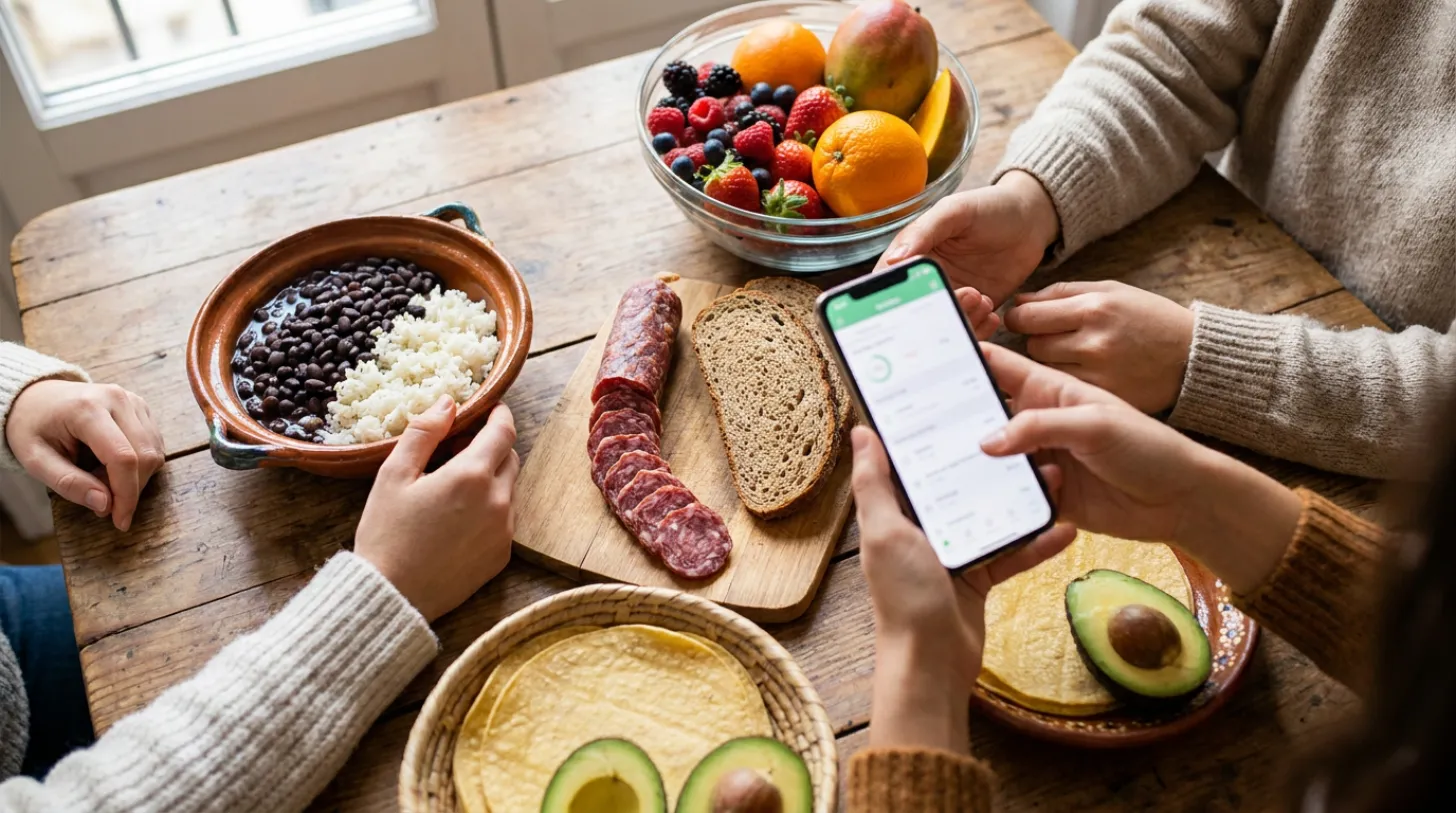 The Regional Foods Your Coaching App Needs
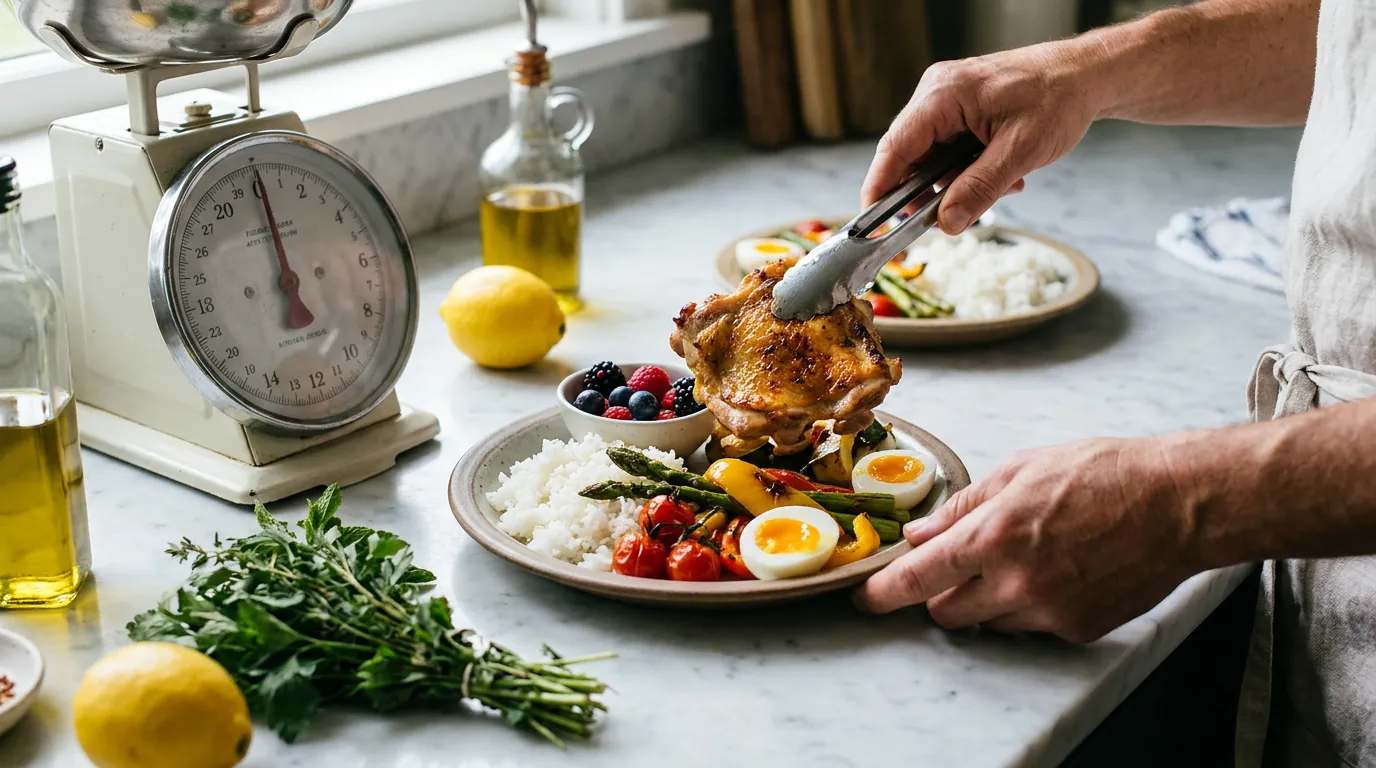 How to Build a Meal Plan Clients Actually Follow